
Explainer Video
These planets are hiding in plain sight!
If you can’t tell by the rest of my projects, I really really like space.
One of my favorite nighttime activities is to stand still in the dark, and find the planets in the sky above. I wanted to share that experience, in style!
Let me show you how to planet spot, and then how I made this video.
The Process
Straight from the text book
Initially, I wanted to make this project working from the style first.
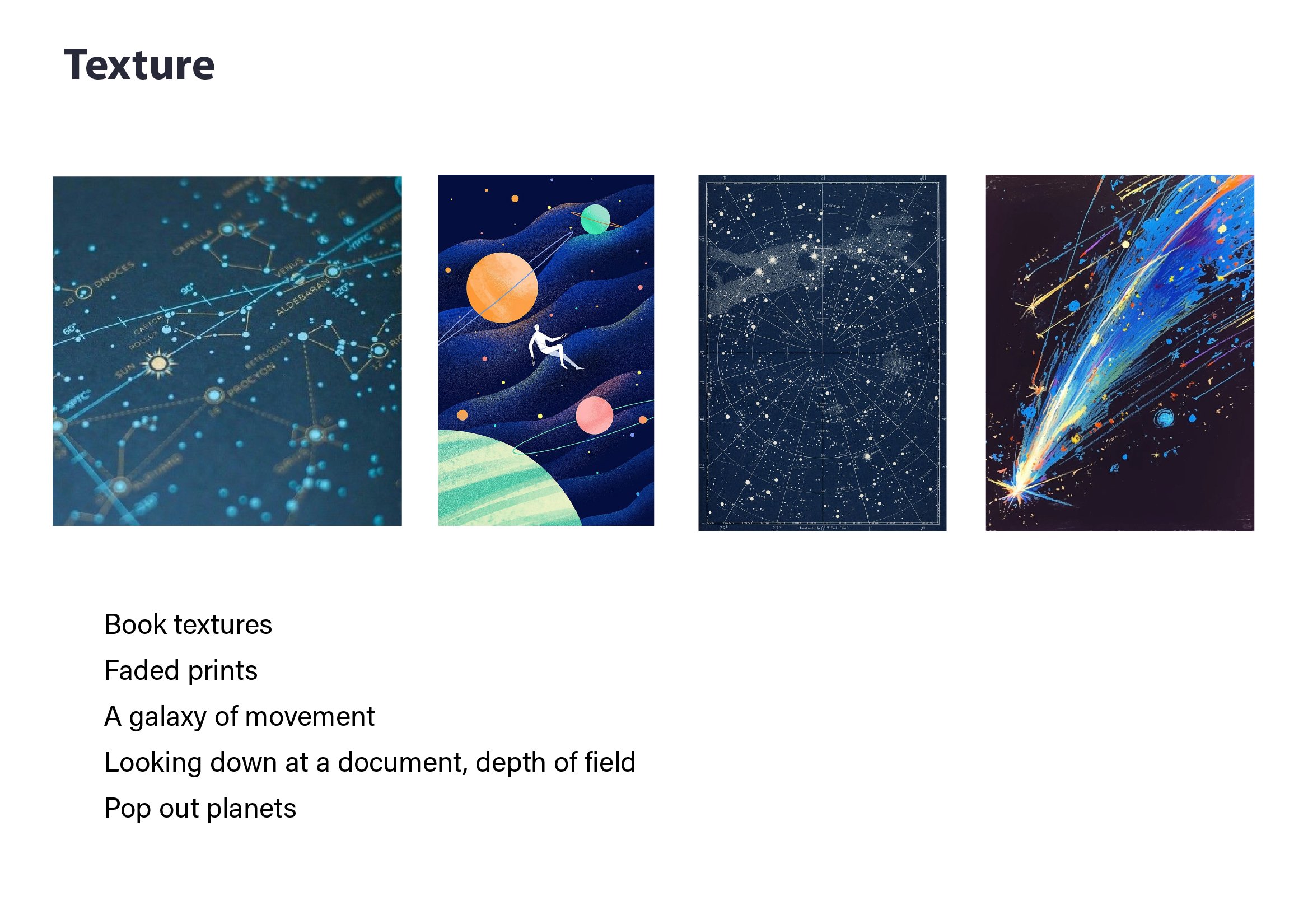
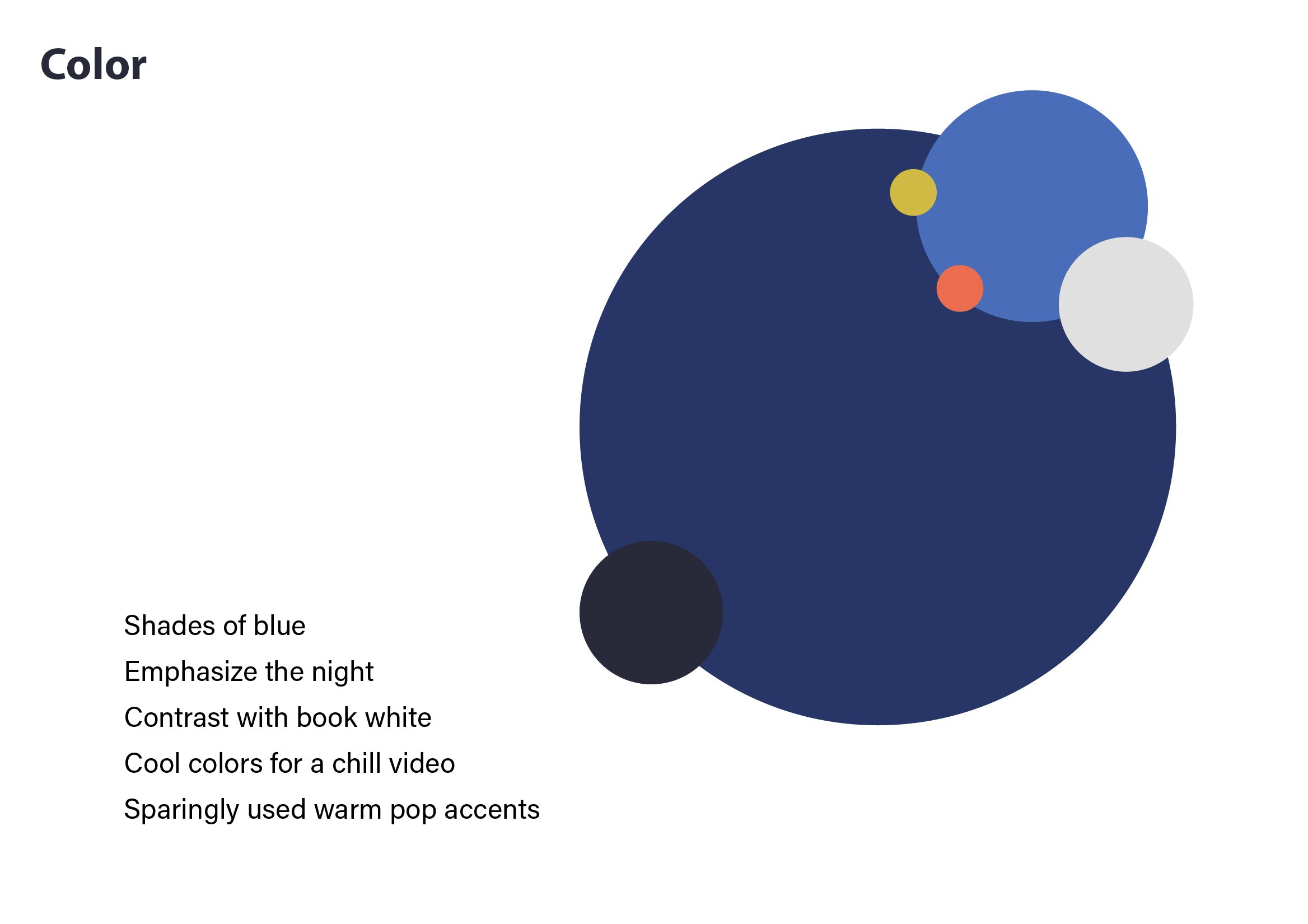
I went to Pinterest and started looking for inspiration. Anything that fit my vibe, and visual interest I threw into a reference page in Illustrator.
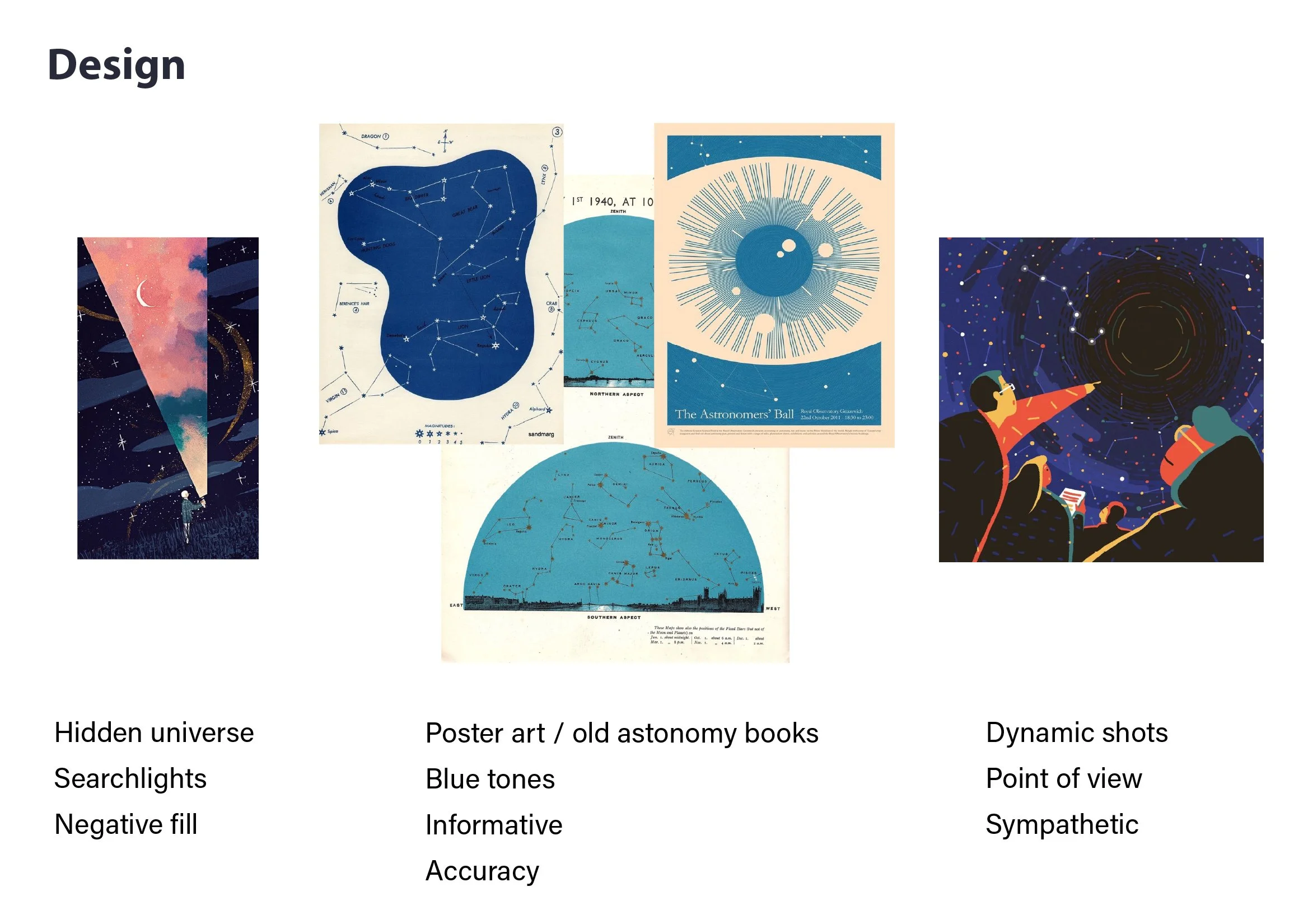
Naturally I gravitated to star charts and retro text book pages that had an older quality to them. It lent authenticity to an entirely digital product.
For colors, keeping it cool and dark fits well with star charts and night skies so I chose blues and warm accents for my palette.
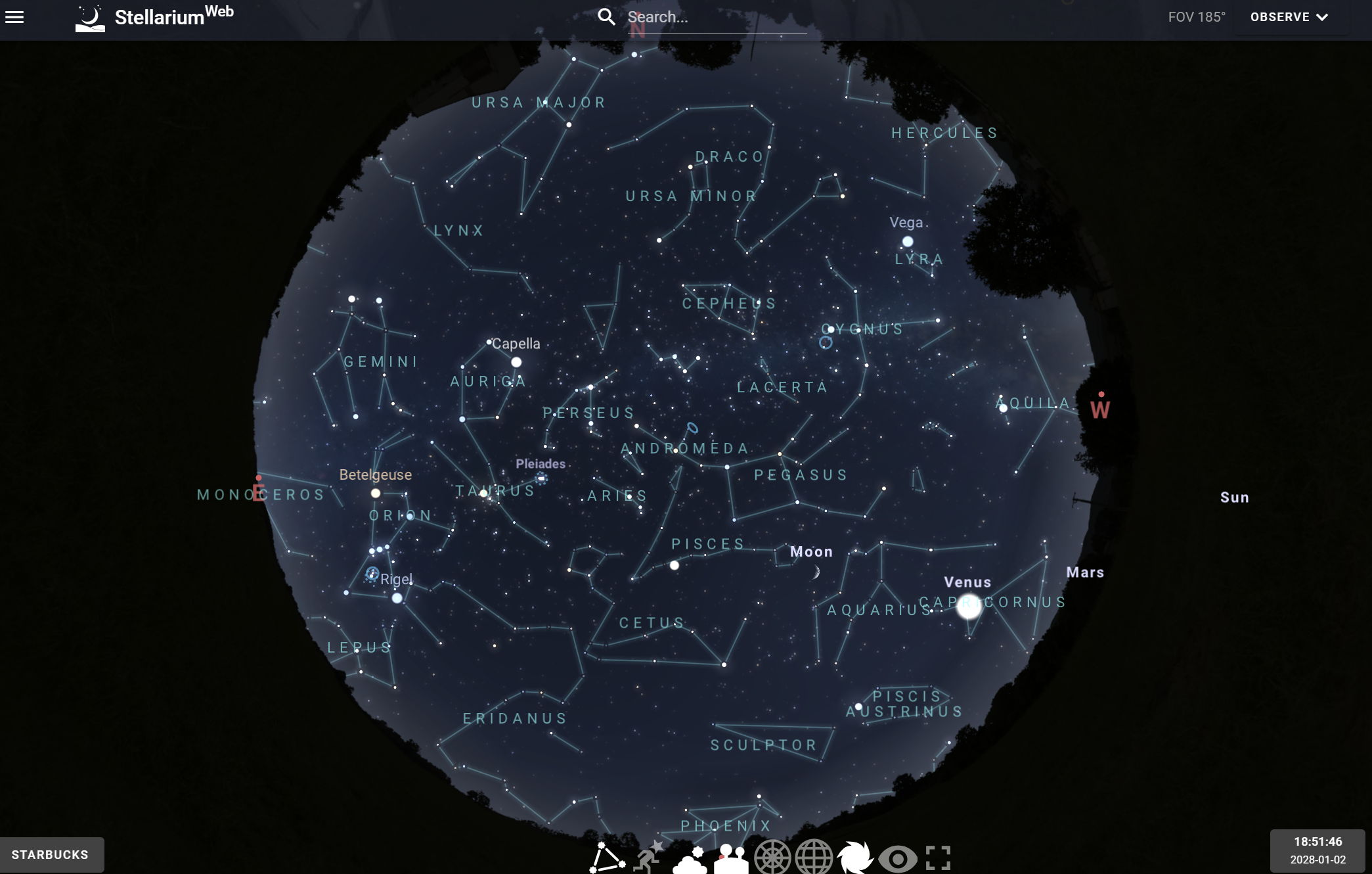
I also wanted to include (mostly) accurate night skies, so I referenced actual nights where the planets will be in the same alignment!
Aligning the stars
A single constraint I put on myself was to keep this video short around 90 seconds to use on social media. I went over and over the script until it was tight on information, and story.
Synchronously, I began drawing the storyboard.
Along with the voice talents of collaborator David Urbinati, I was able to tune in the imagery and edits so that the visuals and script could help convey the information I knew was important in an interesting style.
Styling the stars
Based on frames from the storyboard, I tackled the final look on several frames in After Effects to see how it will look and animate.
Some of these effects can be taxing on the system, so once I locked in the look, I turn off many of them so that I could start rough animation.
Assembling the style
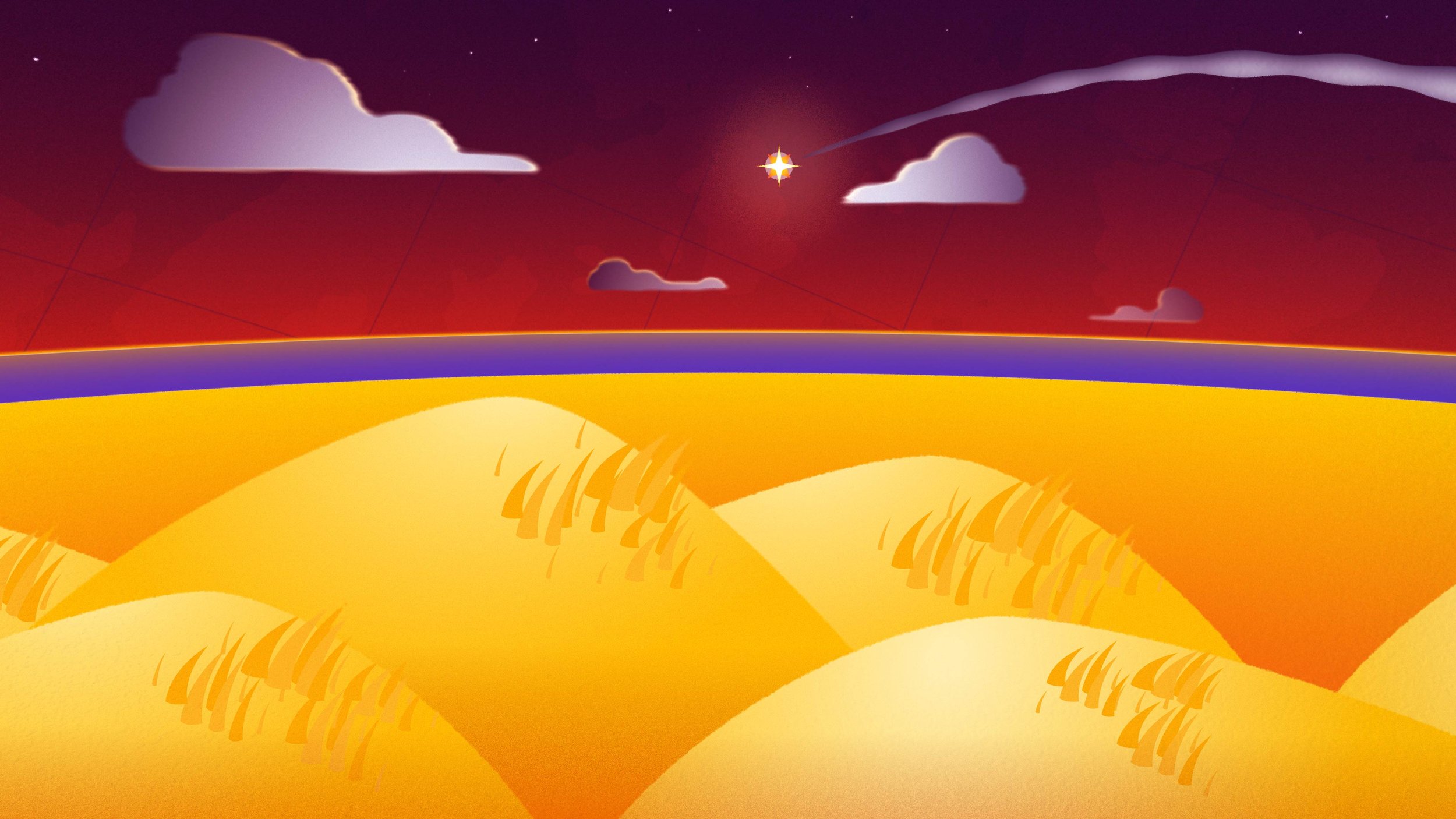
Through a myriad of vector layers, I adapted the storyboard and mood board to create a style frame that befits the animation. Before I fully animate in After Effects, I would want to test the timing once more. I like to see the scene in context with their animations and transitions. If there is a complicated animation, I want to test it here first to see if I need to find alternate approaches.
From here, I am able to import the style into other scenes and adapt it to the compositions there. I’ll finalize my main animations and then complete the stylizing here.

Counting down the scenes
Having the animation and stylizations finalized, time to move on to the post workflow.
I retrieved my background music from La Repeticion using Motion Array (Profile Link) and sound effects from Soundly. Since there are going to be several versions of this video, I made a master timeline to finalize and then diverge with duplicates.

Launching video
With the final touches performed, this video is ready for liftoff! Its destination is not only the internet at large, but also social media like Instagram. For that, a slight adaptation is required. I knew this and planned my After Effects compositions ahead of time to be easily formatted for alternate formats like 9x16. I want to control exactly how viewers watch this video, and want to utilize the format to its full potential.
